7 Taproom Tested Beer and Pizza Pairings That Match Intensity
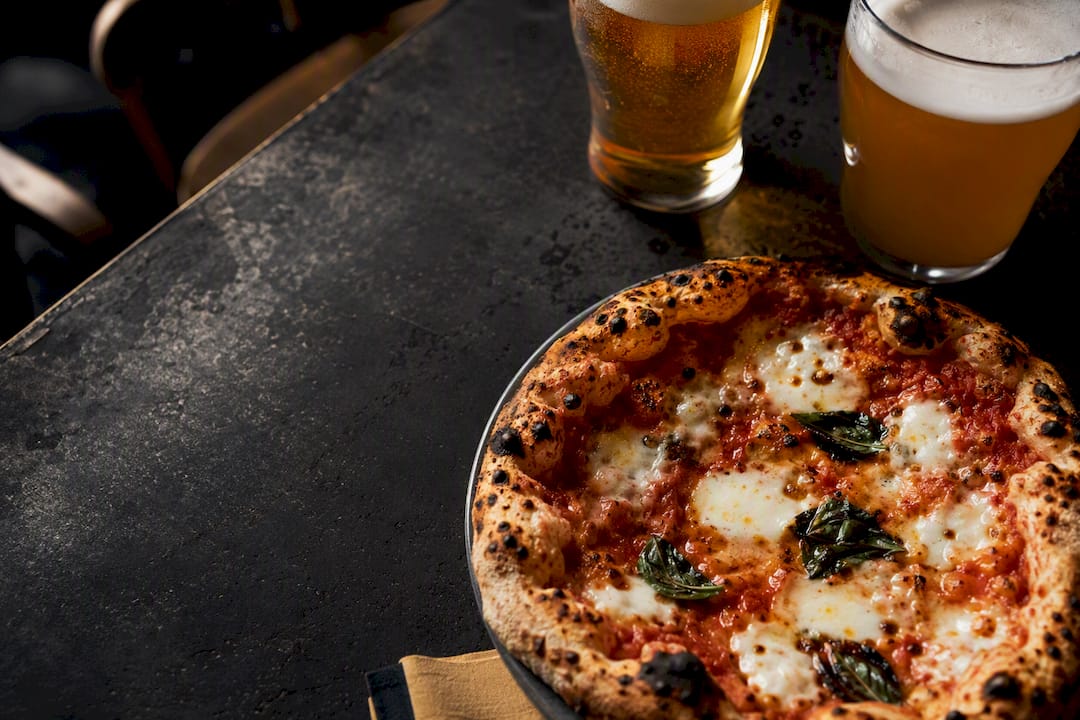
The rule is simple: match intensity, then let carbonation and hop bitterness do the heavy lifting against fat and cheese. A crisp lager or pilsner is your safest all-rounder for almost any pizza, especially when enjoyed with retro charm from a Vintage Pilsener Beer Metal Sign to set the mood. This principle is certified Cicerone experts and taprooms like Lost And Found Taproom apply constantly. Get the intensity right and the rest is detail. The sections below turn that rule into a proper cheat sheet, slice by slice.
TL;DR:
- Lighter, carbonated beers like lagers and pilsners are ideal for delicate pizzas such as Margherita, as they refresh the palate without overpowering subtle flavors.
- For spicy or greasy pizzas like pepperoni or meat feasts, moderately hopped pale ales or amber ales provide contrast and help manage richness and spice.
- Darker, malt-forward beers like porters or brown ales complement hearty toppings such as mushrooms, truffle, or smoked meats, adding depth without overwhelming the flavors.
- When selecting drinks for groups, pairing a clean lager, a hoppy pale ale, and a malty or fruity option covers most popular pizza styles and accommodates various taste preferences.
- Serving temperatures should be adjusted to enhance flavor, with lagers best at 4–7°C and ales at 7–13°C, ensuring optimal tasting experiences.
Table of Contents
- What makes a great beer and pizza pairing?
- The best beer for pizza, style by style
- How to plan drinks for a mixed group
- Serving and tasting tips that make pairings work
- How Lost And Found Taproom curates pairings
- Trust your own palate more than any chart
- Taste it for yourself at Lost And Found Taproom
- Sources
- FAQ
What makes a great beer and pizza pairing?
Three ideas do most of the work here: cut, contrast, and complement. Cut means using carbonation and bitterness to slice through fat and grease the way a fizzy pilsner resets your mouth after a bite loaded with mozzarella. Contrast means picking a flavour that pushes back against the pizza rather than matching it, such as a hoppy pale ale standing up to the heat of a spicy pepperoni. Complement is the opposite approach: a malty amber ale that echoes the toasted, slightly caramelised flavour of a well-charred crust.
Crust, sauce, and toppings all shift which principle you lean on. A thin, blistered Neapolitan base wants refreshment more than flavour matching, because there’s not much crust character to echo. A thick, doughy crust with a longer bake develops more of those biscuity, bready notes that a malt-forward beer can pick up on. Tomato sauce brings acidity, and that acidity can clash badly with an aggressively hoppy, resinous IPA, which is exactly why an intensely bitter beer on a delicate Margherita often backfires. Cheese is the biggest reason carbonation matters at all: fat coats the palate, and without fizz to break it up, every subsequent bite tastes duller than the last.
Certified beer experts put it plainly: don’t choose a beer that’s “too big” for the pizza. An imperial stout next to a plain cheese slice overwhelms it; a crisp lager next to a loaded meat feast might get lost. Serving temperature plays into this too. Beers served too cold mute their aroma and flavour, while ales served closer to cellar temperature reveal more of the character that lets them stand up to bigger toppings.
Pro Tip: If you’re unsure what to pour, go lighter and fizzier rather than bigger and bolder. Carbonation is the great palate scrubber, and you can always build up in intensity with a second glass.
A few rules worth pinning to the fridge:
- Match the beer’s weight to the pizza’s richness, not the other way round.
- Use carbonation to reset your palate between rich, cheesy bites.
- Save big, boozy, intensely hopped beers for pizzas with equally big flavours.
- When in doubt, a clean lager or pilsner rarely goes wrong.
The best beer for pizza, style by style
This is where theory becomes dinner. Below are the pairings worth remembering, built around the most common pizzas you’ll actually order or bake at home, with a substitution for when the shop only stocks lager and a non-alcoholic option for anyone skipping the alcohol.
1. Margherita
A Neapolitan-style Margherita is delicate: thin crust, fresh basil, simple tomato, and mozzarella. It benefits from a clean lager or pilsner rather than anything heavily flavoured, because the pizza is designed to be light and the beer should refresh rather than compete. A German-style pilsner or a crisp English lager both work. If lager is all you’ve got, that’s genuinely fine here; it’s the pairing that needs the least adjusting. For an alcohol-free route, a well-made NA pilsner or even sparkling water with lemon keeps the same clean, cutting effect.
2. Pepperoni and spicy pizzas
Pepperoni brings fat, salt, and a mild burn, and this is where contrast earns its keep. A pale ale or a moderately hopped IPA cuts through the grease while its bitterness plays nicely against the spice rather than fighting it. It can amplify the heat instead of taming it. If only lager is on hand, reach for something a touch maltier than the palest option, since a bit of body helps stand up to the cured meat. Non-alcoholic pale ales have improved enough that they now genuinely hold their own in this slot.
3. Meat feast
Multiple meats, extra cheese, and often a smokier or barbecue-tinged sauce call for something with more backbone. Amber ales, brown ales, and light porters work well because their caramel and toasted-malt notes echo the char and the savoury depth of the meat, while enough carbonation still cuts the fat. A roaster porter suits a meat feast finished on a wood-fired oven, where smoke is part of the flavour. If you’re stuck with lager, a darker lager or a Vienna-style lager bridges the gap better than a standard pale lager.
4. Vegetarian and veg-forward pizzas
Vegetable-topped pizzas vary enormously, from a simple mushroom and onion to a loaded roasted vegetable pie, so the wheat beer or witbier route works as a flexible middle ground. Its light spice and citrus character complement earthy vegetables without overpowering them, and its natural fizz keeps things fresh through a few slices. For something more fruit-forward, a session-strength fruited pale ale can lift sweeter vegetables like roasted peppers or caramelised onion. A wheat-style non-alcoholic beer, where available, keeps the same soft, slightly spiced profile.
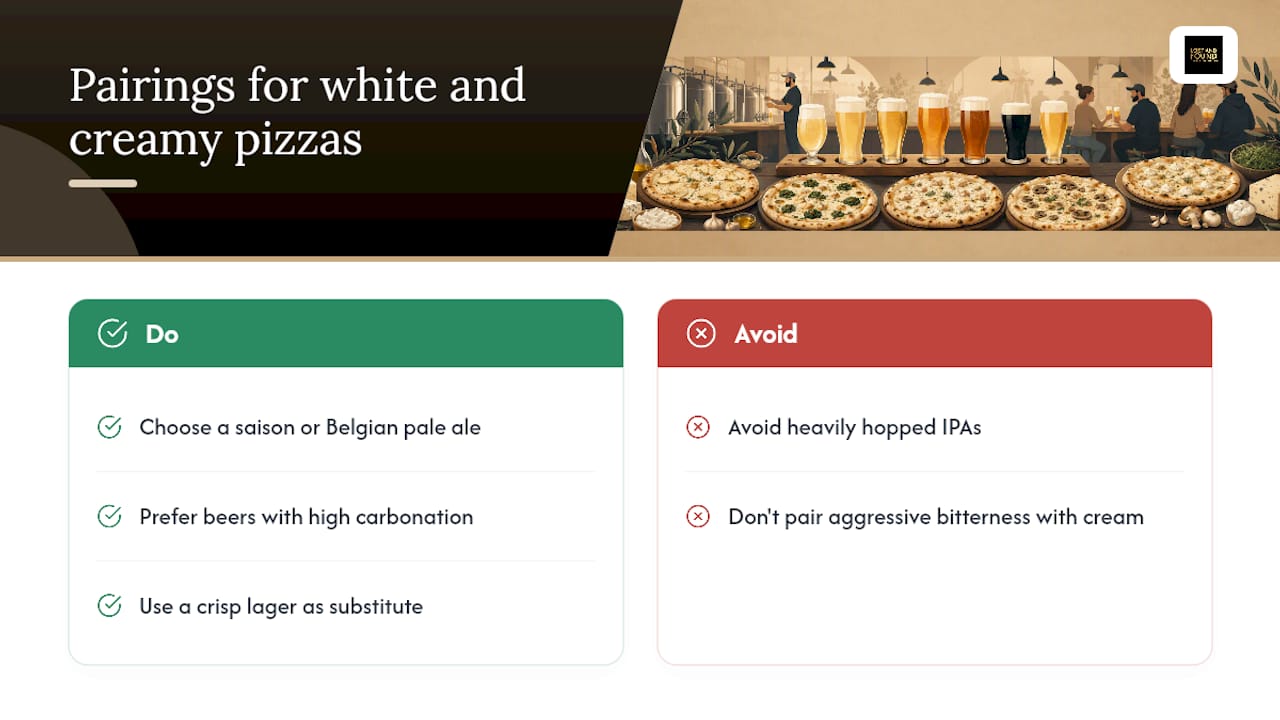
5. White and creamy pizzas
A white pizza built on ricotta, garlic, and olive oil, with no tomato sauce, needs something that won’t clash with all that richness. A saison or a lighter Belgian pale ale brings a peppery, fruity dryness that slices through cream-based sauces cleanly, and the natural high carbonation of most Belgian styles is doing real work here. Go carefully with heavily hopped beers on this style. Without tomato acidity to balance bitterness, an aggressive IPA can taste harsh against cream and garlic. A crisp lager is a perfectly reasonable substitute if a saison isn’t available locally.
6. Hawaiian and sweet-savoury pizzas
Pineapple and ham together create a sweet-salty combination that plenty of purists avoid but plenty of eaters love, and it’s a genuinely fun one to pair. A fruity sour beer, particularly something in the kettle-sour or Berliner Weisse family, mirrors the pineapple’s tartness while its acidity balances the salty ham. A juicy pale ale is the safer, more widely available substitute if sours feel like a stretch. Ginger beer or a fruited non-alcoholic option both echo that sweet-tart balance without the alcohol.
7. Mushroom and truffle pizzas
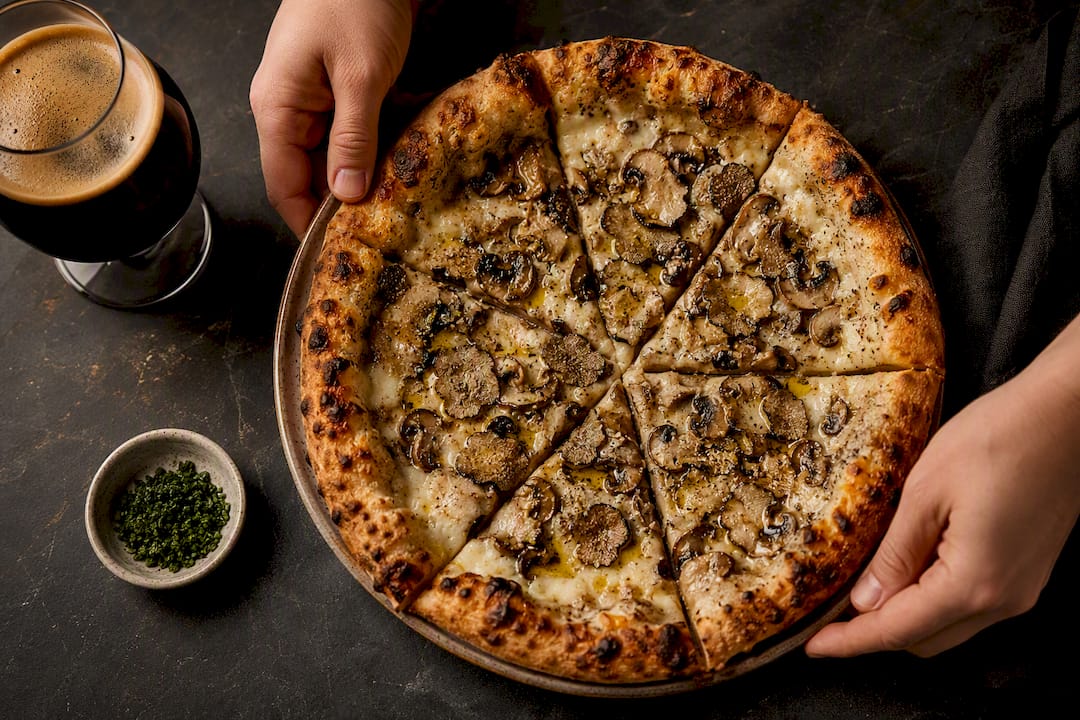
Earthy, umami-heavy toppings like mushroom or truffle oil deserve a beer with some age and depth. A porter or a milk stout brings roasted, slightly chocolatey notes that sit comfortably alongside mushroom’s savoury character, and the carbonation still manages the oil without diluting the earthiness. If the pizza leans heavily truffled, a slightly aged or barrel-touched stout, where available, adds another layer worth exploring on a tasting night. A dark lager or bock is the nearest substitute when stout isn’t stocked.
How to plan drinks for a mixed group
Feeding a table with different tastes doesn’t mean buying eight different beers. Practitioners generally recommend covering the ground with three:
- One crisp lager or pilsner as the universal all-rounder for Margherita, white pizza, and anyone unsure what they fancy.
- One hoppy pale ale or IPA to handle pepperoni, spicy toppings, and richer meat feasts.
- One malty amber, dark lager, or fruity sour to cover mushroom, truffle, or sweet-savoury pizzas like Hawaiian.
Before you buy, run through a short checklist: how spicy is the food going, does anyone need a vegetarian or vegan pizza, and what’s the budget per head. Cans travel well for a garden pizza night and chill faster than bottles, bottles hold carbonation slightly longer once poured, and draught, if you’re out rather than in, almost always tastes fresher than either. If your usual pale ale isn’t stocked, a session IPA or a well-hopped bitter does a similar job. For a comparable food-pairing logic applied to another takeaway favourite, the same cut-contrast-complement thinking carries over to beer and burger pairing.
Serving and tasting tips that make pairings work
Temperature changes what a beer tastes like on the same pizza, so get this right before worrying about which style to pour.
- Chill lagers and pilsners to 4–7°C. This keeps them crisp and cutting; warmer and they turn flabby against fat.
- Serve ales at 7–13°C. Slightly warmer temperatures let malt and hop character open up, which matters for pairing with richer toppings.
- Bring stouts and porters to 10–13°C. Too cold and you lose the roasted, chocolatey notes doing the pairing work.
- Pick the right glass. A pint or nonic glass suits lagers, a tulip glass concentrates aroma for hoppy or Belgian ales, and a snifter is worth it for a stout you’re actually tasting rather than just drinking.
- Taste the pizza first, then sip. Note how the beer shifts the perceived saltiness, heat, or sweetness on your palate, then try a second beer on the same slice for comparison.
Pro Tip: Pour ales at an angle to build a proper head. That layer of foam releases aroma with every sip and is half the reason a well-poured beer tastes better than a rushed one straight from the can.
How Lost And Found Taproom curates pairings
Lost And Found Taproom runs a rotating line-up of Sussex beers precisely so regulars can try new pairings rather than sticking to the same pint every visit, and both the beer menu and food menu are available online if you want to plan ahead. Three matches that consistently work in the taproom:
- A crisp Sussex lager alongside a simple Margherita, kept deliberately unfussy so the beer does the refreshing.
- A local pale ale next to pepperoni, chosen for its bitterness rather than raw hop punch, so it balances rather than fights the spice.
- A porter with mushroom-topped pizza, a pairing staff often point newcomers toward when they say they “don’t really do dark beer.”
Staff behind the bar are happy to talk through what’s pouring that week, and anyone who finds a favourite can pick up bottles from the bottle shop to take home. For groups wanting to build a whole evening around this, the taproom’s venue hire space works well for a hosted tasting night.
Trust your own palate more than any chart
Charts and cheat sheets get you started, but the best pairings often come from ignoring the “correct” answer and trying something anyway. A saison on a meat feast might sound wrong on paper and taste brilliant in practice, because written guidance can’t account for how a particular brewery’s version of a style actually behaves on your tongue. Keep it loose: match intensity as a starting point, run the three-drink rule for groups, and jot down what worked so next time isn’t guesswork. The fun is in the testing, not the theory.
— Author
Taste it for yourself at Lost And Found Taproom
Reading about pairings only gets you so far. A local taproom offers the opportunity to taste a crisp Sussex lager or a porter paired with various pizzas, often without the need to commit to a full bottle.
Every beer on tap rotates regularly, so the on-tap and bottle shop selection is worth checking before you visit, and the food menu sits alongside it online so you can plan your slice and your pint together. If you’re organising something bigger than a solo pint, whether that’s a birthday, a work do, or a proper beer-and-pizza tasting night for friends, the taproom offers Midweek and Weekend venue hire with no hire fee and full flexibility over drinks, music, and decorations. Book a date, pick your pizza night theme, and let the rotating tap list do the rest.
Sources
- What is the best beer to pair with pizza? (Serious Eats)
- The 5-Minute Guide to Pairing Pizza and Beer (Hop Culture)
- Thepizza
- Cicerone
FAQ
Does beer pair well with pizza?
Yes. Carbonation and hop bitterness cut through cheese and fat while malt can echo a well-charred crust, which is why beer is widely considered a natural match for pizza.
Can you drink beer and eat pizza together comfortably?
Absolutely. It’s one of the most common pairings around, and matching intensity (a light beer with a light pizza, a bigger beer with a loaded one) is the only real rule to follow.
What alcohol is best paired with pizza?
Beer is generally the strongest all-round option because its carbonation and bitterness do the work that fat-heavy pizza needs, though a light, high-acid wine can work for some styles too. A crisp lager or pilsner remains the safest starting point, and you can try current options on the on-tap menu at Lost And Found Taproom.
What is the two-hour rule for pizza?
It refers to food safety, not flavour: pizza left at room temperature for more than two hours should be refrigerated or discarded, since bacteria multiply quickly in that window. It has no bearing on which beer to choose, but it’s worth knowing if you’re hosting a longer pizza-and-beer evening.