Support Local Breweries: 6 Actions while 62% of Pubs Bar Indies
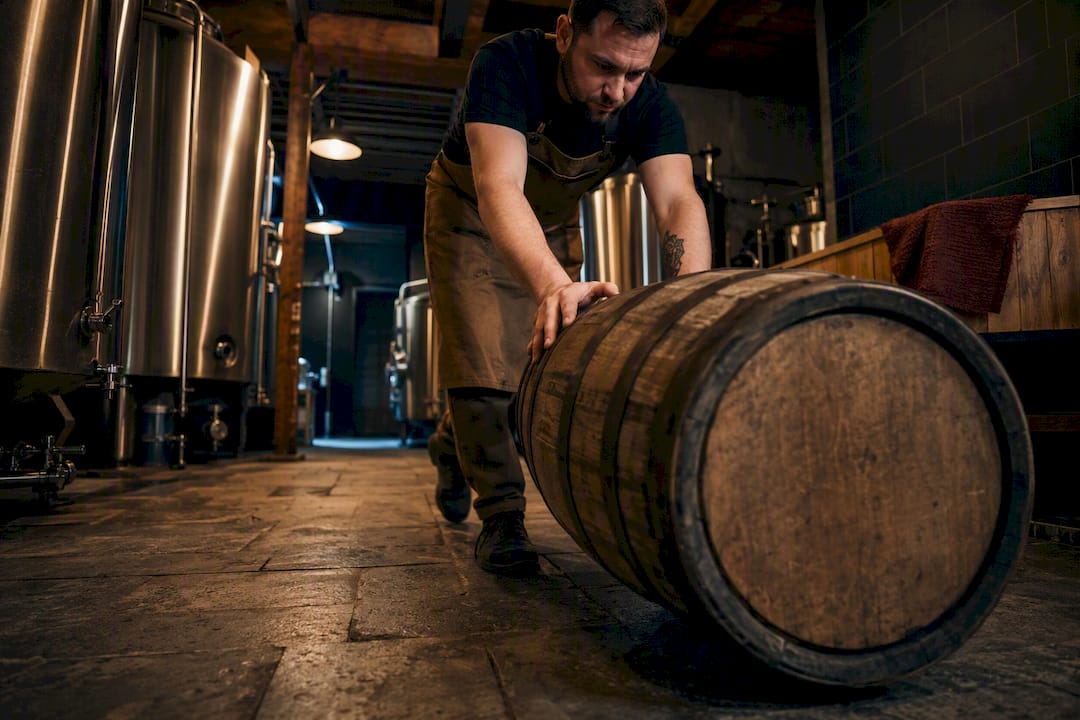
The most effective way to support local breweries is simple: buy direct at the taproom or brewery shop, choose genuinely independent beer over “crafty” imitations, and back campaigns like SIBA and Indie Beer. Net brewery closures slowed to a small net loss in the first half of 2026, but the sector is still fragile, and a place like Lost And Found Taproom shows what direct spending actually achieves.
TL;DR:
- Buying direct at the taproom or brewery shop keeps more money in the brewer’s pocket than purchasing through distributors or supermarkets.
- Supporting breweries at markets, festivals, and events can generate more revenue than wholesale orders and helps maintain their cash flow.
- Verifying a brewery’s independence using the Indie Beer mark or Companies House is essential, as many “craft” brands are owned by global companies.
- Structural issues like high taxes and limited pub access are the main barriers to brewery survival, so political action and campaign participation are vital.
- Visiting and supporting taprooms like Lost And Found can provide guaranteed income to local breweries and help build community around independent beer.
Table of Contents
- Practical ways to support local breweries today
- Where to buy direct and why it matters
- How to check a brewery is genuinely independent
- Advocacy actions that help breweries survive long term
- Taproom in practice: how Lost And Found helps local Sussex brewers
- How Lost And Found can help you support local breweries
- Why this actually matters to us
- Sources
Practical ways to support local breweries today
Small breweries live or die on cashflow, and where you spend your money matters more than how much you spend. A pint bought at the taproom puts far more back into a brewer’s pocket than the same pint sold through a distributor to a chain pub, because there’s no middleman taking a cut.
Here’s what actually moves the needle, in rough order of impact:
- Drink on-site at the brewery taproom. This is the highest-margin sale a brewery makes, and it’s the one most directly tied to keeping the lights on.
- Buy cans or bottles to take home from the brewery shop or an independent bottle shop, rather than defaulting to supermarket own-brand “craft” ranges.
- Turn up to markets, festivals, and brewery open days. These events often generate more revenue in a weekend than a slow month of wholesale orders.
- Sign up to brewery mailing lists, back a crowdfund, or join a loyalty membership. Recurring, predictable income lets a small brewer plan ahead instead of scrambling month to month.
- Book venue hire or a private event at a taproom that pours local beer. A guaranteed minimum spend gives brewers certainty that one-off pub sales never will.
- Offer your skills. Graphic design, social media, event photography, even just spreading the word. Many breweries are run by two or three people who would happily trade a case of beer for help they can’t otherwise afford.
Pro Tip: Ask your local taproom if they run a subscription or “case club”. Committing to a monthly case gives the brewery predictable income and usually gets you first access to limited or seasonal releases before they sell out.
Where to buy direct and why it matters
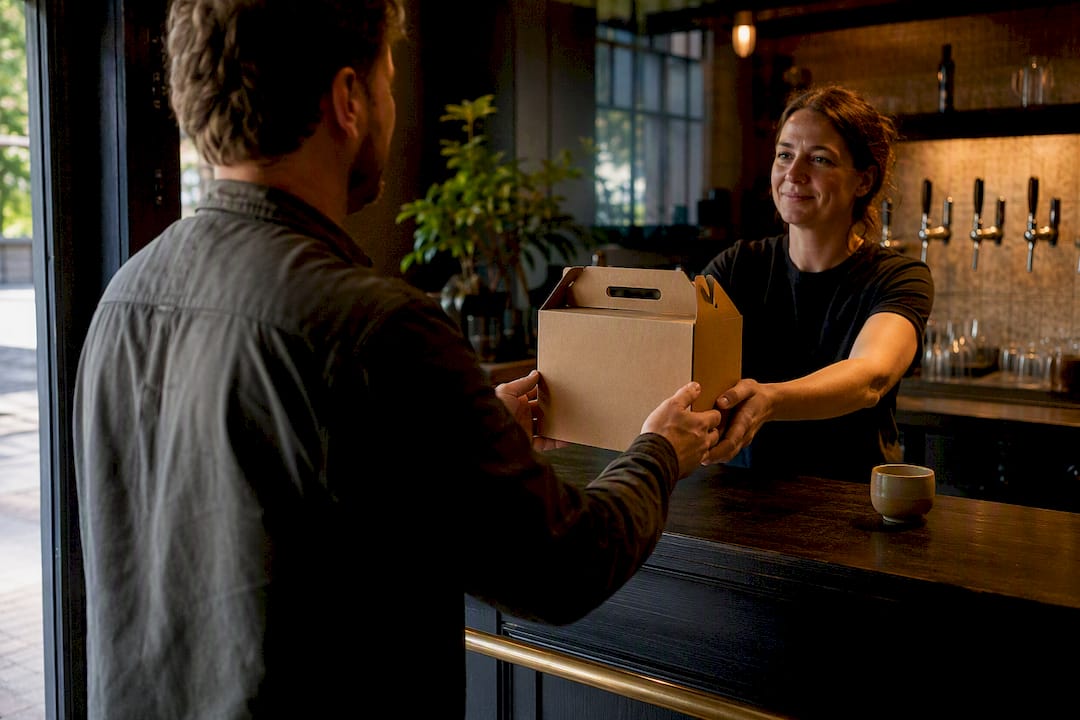
Draught beer poured at the brewery taproom keeps close to full margin for the brewer. Cans and bottles sold from the brewery shop or a market stall keep most of it too. Once beer goes through a distributor and onto a supermarket shelf, that margin shrinks dramatically, and the brewery often has no relationship with the person actually drinking it.
Finding these outlets isn’t hard once you know where to look:
- Check the brewery’s own website for taproom opening hours and shop stock.
- Use a directory such as Locally Sauced, which lists verified independent drinks producers, stockists, and regional trails.
- Use SIBA’s Indie Beer Finder to locate genuinely independent breweries near you.
- In the pub, check the pumpclip and ask staff who actually brewed it. Independent brewers now report being unable to access roughly 62% of local pubs, so a pub pouring indie draught deserves your custom.
Buying a mixed case rather than a single bottle also helps more than you’d think. It smooths out a brewery’s short-term cashflow in a way that one-off purchases never quite manage.
How to check a brewery is genuinely independent
Plenty of beer marketed as “craft” is brewed by breweries owned by global drinks conglomerates. The branding rarely mentions this, so a logo alone tells you nothing reliable.
A quick four-point check before you buy:
- Look for the Indie Beer mark on the can, bottle, or pump.
- Run the brewery name through the Indie Beer checker if you’re unsure.
- Search the brewery name on Companies House to see who actually owns it.
- Don’t assume “craft”, “artisan”, or a hand-drawn label means independent. Those words carry no legal weight.
Confusing ownership structures and lookalike branding are common enough that verification tools like the Indie Beer checker exist specifically to cut through it, rather than leaving shoppers to guess from packaging alone.
Advocacy actions that help breweries survive long term
Buying beer solves today’s problem. Structural barriers, restricted pub access, high duty, business rates, need political and industry pressure to shift. Independent brewers report they can only reach a minority of pubs in their own local market, and tax burdens remain a material factor in closures.
If you want to do more than drink:
- Join or donate to SIBA and follow the Indie Beer campaign’s calls to action.
- Sign relevant petitions on pub access and duty relief when they appear.
- Email your MP about small brewer duty relief, especially around Budget announcements.
- Attend local licensing or planning consultations that affect brewery premises.
- Share campaign posts. It costs nothing and widens reach for organisations with tiny marketing budgets.
Taproom in practice: how Lost And Found helps local Sussex brewers
Lost And Found Taproom in Brighton’s Fiveways runs on a rotating line-up of Sussex and wider UK independent beers, alongside curated wines, bottle sales to take home, and a full events and venue hire programme. Every pour on that bar is a direct order placed with a small brewery, not a wholesale contract lost in a distributor’s spreadsheet.
Lost And Found doesn’t just serve drinks. It hosts events that connect patrons with the craft beer scene, prioritising independent breweries and community over volume.
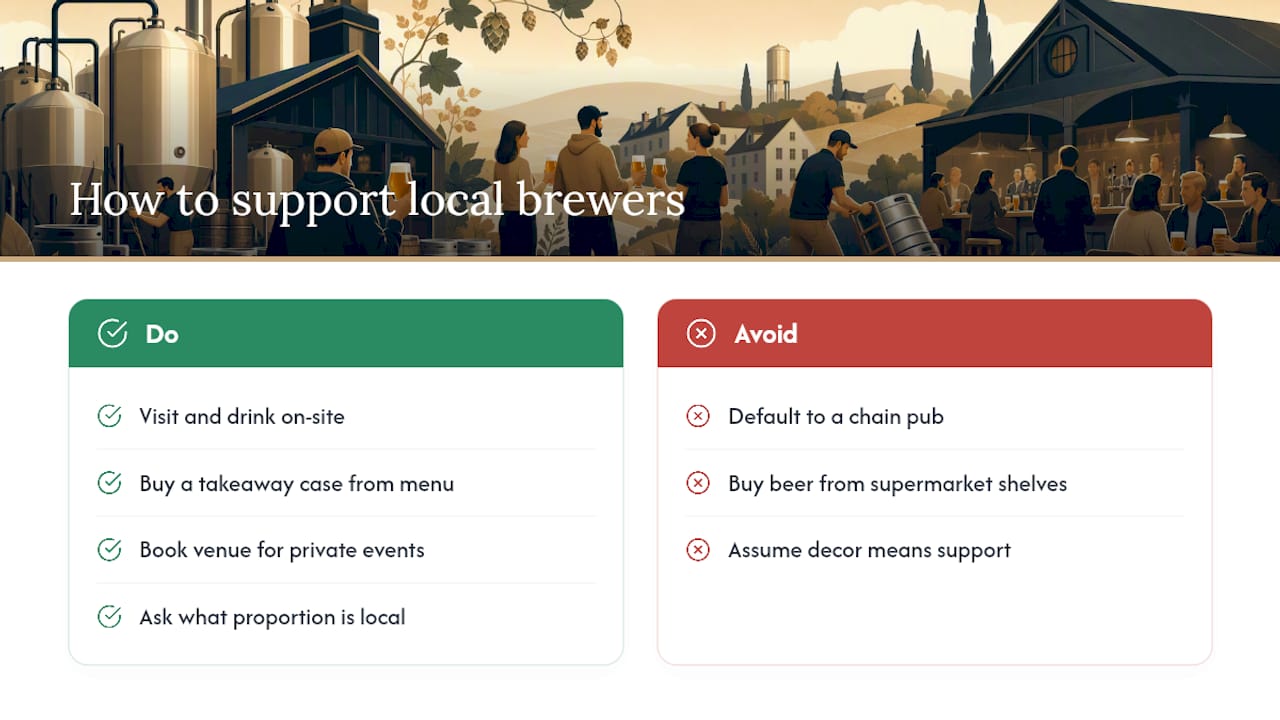
Three ways to mirror this yourself: visit and drink on-site rather than defaulting to a chain pub, buy a takeaway case from the beer menu instead of a supermarket shelf, and book the venue for a private event so a brewery gets guaranteed spend rather than a hopeful footfall gamble.
Pro Tip: If you’re planning a birthday or work social, ask the venue what proportion of the bar is local. A taproom that can answer that question specifically is one that’s actually built its business around independents, not just decorated it that way.
How Lost And Found can help you support local breweries
Lost And Found Taproom exists precisely for the actions covered above: every pint poured, every bottle sold, and every event booked here goes straight back to independent Sussex and UK brewers, not through a chain distribution deal. The rotating tap list changes constantly, so there’s always something new from a brewery worth backing, and both the beer menu and food offering are listed online, so you can check what’s pouring before you set off.
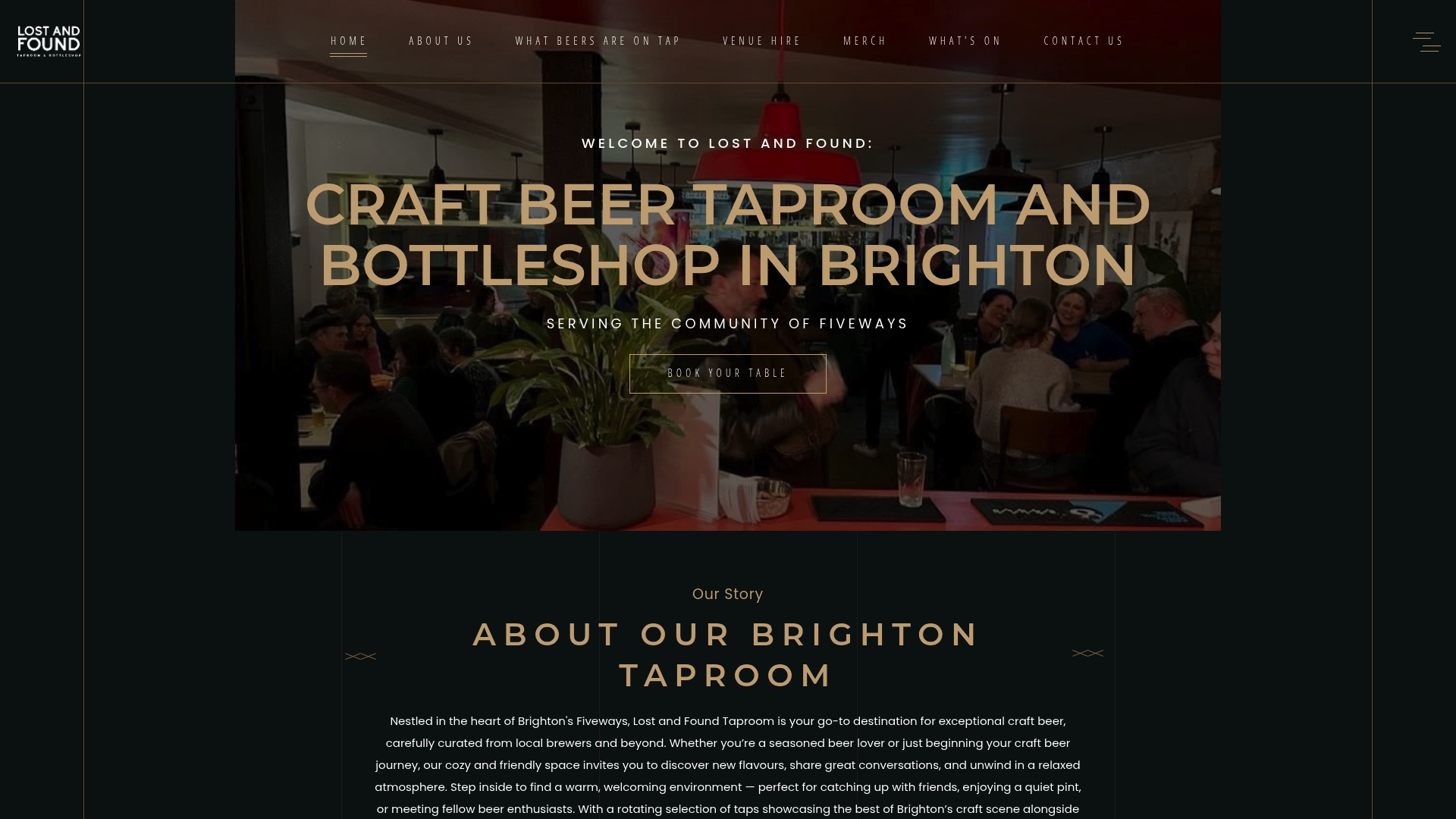
If you’re weighing up options for a birthday, work do, or just a proper session with friends, venue hire at Lost And Found gives breweries guaranteed bar spend rather than the usual gamble of footfall on a random Tuesday. Have a look at the current beer lineup and book your date, or pop into the Fiveways taproom and let the staff talk you through what’s new this week.
Why this actually matters to us
Independent breweries don’t fail because their beer is bad. They fail because pub access is tight, taxation is heavy, and too many drinkers can’t tell the difference between a genuine local independent and a global brand wearing craft packaging. Every taproom visit, every takeaway case, every shared campaign post chips away at that imbalance in a way that outlasts any single pint. We’d rather you learned to spot the real thing than assumed we’d already done it for you. Come and see the tap list for yourself, or back a campaign like Indie Beer this week.
— Author
Recommended
- How to Support Brighton Breweries During the 2026 Survival Crisis (5 Things You Can Do Today)
- Independent Brighton Breweries Matter: Why Your Next Pint at Fiveways is a Vote for Sussex Beer Survival
- Latest Business Rates News: What It Means for Independent Taprooms & Pubs in Brighton (January 2026)
- Small, Independent, and Proud: The Report Proving Local is Better