The craft lager guide: styles, tasting notes and where to drink them
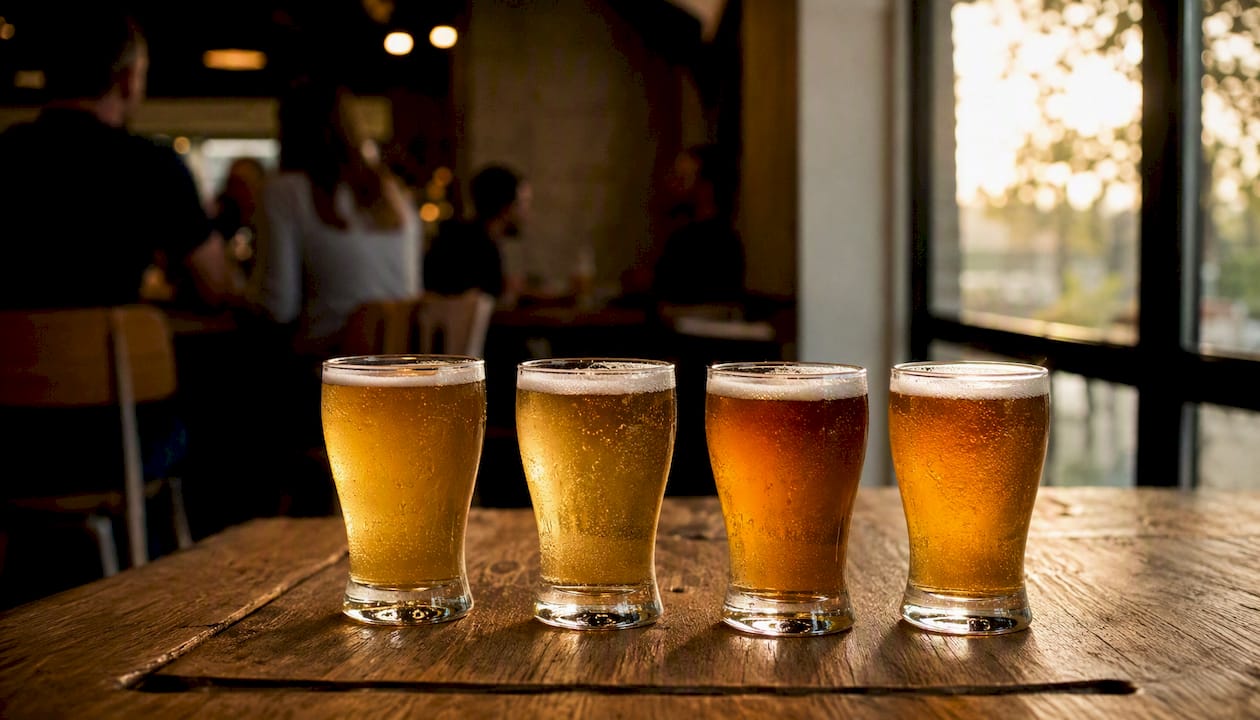
Craft lager is beer fermented with bottom-fermenting yeast, Saccharomyces pastorianus, at a cool 7–13°C, then rested near freezing for weeks in a process called lagering until it turns clean and crisp. That cold conditioning is what separates a proper lager from anything rushed through a tank in days. This guide gives you the shorthand for reading a tap list with confidence.
Here’s what you’ll find below:
- The key craft lager styles and what each one actually tastes like
- How malt, hops, yeast and lagering time build flavour
- A repeatable method for tasting and spotting faults
- Food pairings and serving temperatures worth remembering
- Where to try rotating examples, including at Lost And Found Taproom in Brighton
Key Takeaways
Craft lager quality comes down to three controllable factors: yeast health, fermentation temperature between 7–13°C, and sufficient lagering time before release.
| Point | Details |
|---|---|
| Core definition | Craft lager uses bottom-fermenting yeast, cool fermentation and extended cold conditioning for a clean finish. |
| Styles vary widely | Pilsner, helles, dunkel and bock each carry distinct malt, hop and ABV profiles worth learning. |
| Tasting is a method | Look, smell, sip across three stages, then check for faults like diacetyl or over-carbonation. |
| Freshness matters | Packaging dates and lagering time affect flavour more in lager than most other beer styles. |
| Try it locally | Lost And Found Taproom in Brighton rotates local and UK craft lagers, ideal for building a tasting reference. |
Table of Contents
- What makes a lager “craft” rather than mass-produced?
- Key craft lager styles and what to expect from each
- Brewing essentials that shape a craft lager’s flavour
- How to taste and evaluate a craft lager
- Food pairings and occasions that suit different craft lagers
- Where to try craft lagers and what examples to look for
- Troubleshooting common brewing issues specific to lagers
- Why tasting lagers taught me to respect the craft
- Try a rotating lager flight at Lost And Found Taproom
- Sources
What makes a lager “craft” rather than mass-produced?
The difference starts with the grain bill. Craft brewers tend to build lagers from all-malt recipes rather than leaning on cheaper adjuncts like rice or maize, and they’ll often reach for noble hops or newer aroma varieties instead of whatever’s cheapest that quarter. Yeast selection gets similar care, with brewers choosing strains for the specific character they want rather than a single house culture doing double duty across every beer on the schedule.
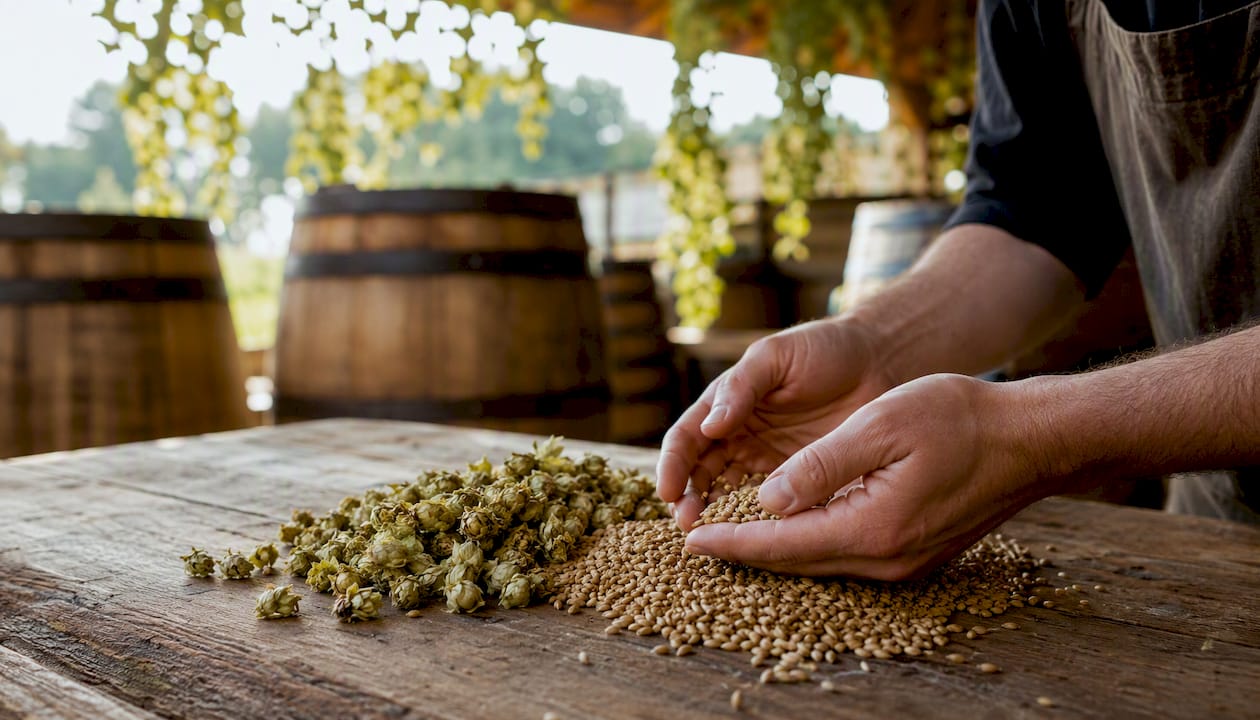
Process matters just as much as ingredients. A craft lager typically ferments slowly at 7–13°C, then spends weeks or months in cold conditioning so the yeast can reabsorb the harsher by-products of fermentation. Large-scale producers, by contrast, often use adjuncts and force carbonation to hit consistency and cost targets, which usually means a shorter, more compressed schedule.
This is exactly why lager punishes sloppy brewing. There’s no heavy roast, no fruity ester wall, nothing to hide behind. Any fault in fermentation control or sanitation shows up starkly in the glass, which is why brewers often call it the toughest style to get right rather than the easiest.
Pro Tip: Hold the glass up to the light. Naturally conditioned lagers tend to show finer, tighter bubbles and a slightly softer mouthfeel, while force-carbonated versions often look and feel fizzier and more aggressive on the tongue.
Key craft lager styles and what to expect from each
Each style below carries its own signature. Learn these and you’ll never be stuck staring blankly at a tap list again.
Pilsner (Czech and German) leads with a spicy, floral hop bite from noble varieties and a firm, dry finish. Czech versions (Bohemian pilsner) run slightly maltier and softer; German versions are crisper and more assertive on bitterness. Typical ABV sits around 4.2–5%, best served at 4–7°C.
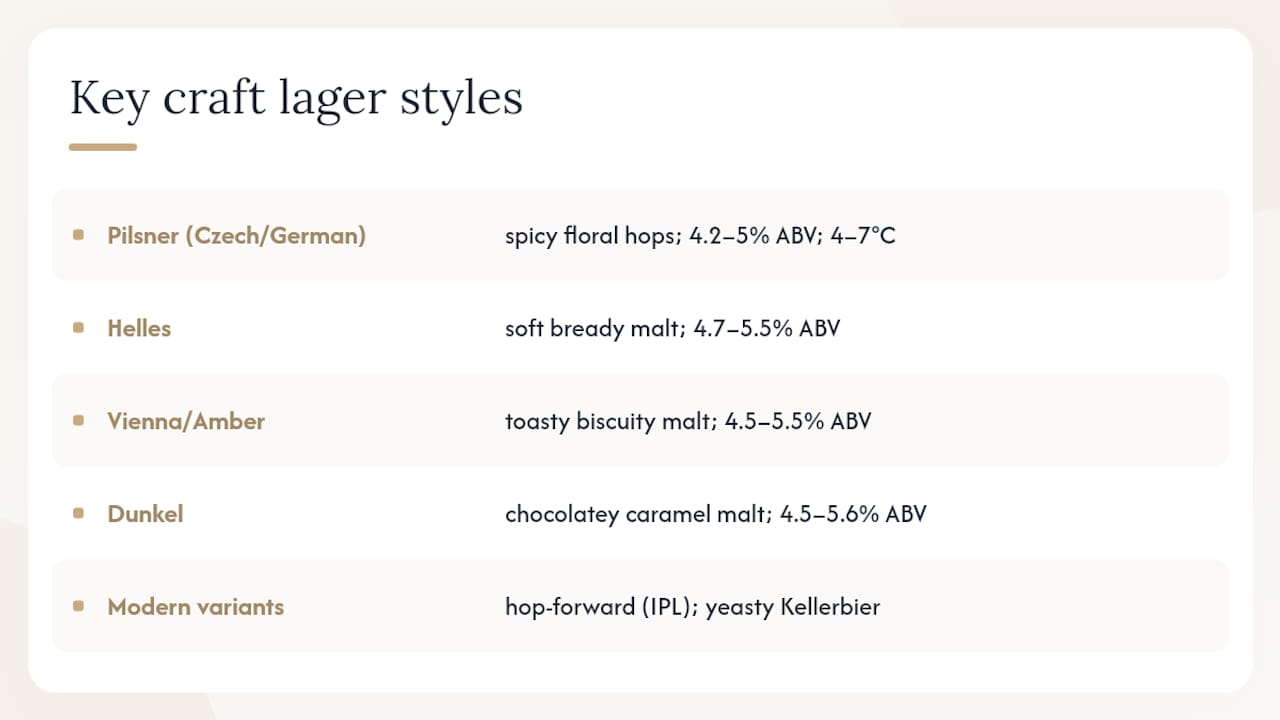
Helles is Bavaria’s answer to pilsner, but gentler. Expect a soft bready malt character with restrained hops, around 4.7–5.5% ABV. This is the session lager for warm afternoons.
Vienna/amber lager brings toasty, biscuity malt notes with a light copper colour and moderate hop balance, usually 4.5–5.5% ABV. Good with grilled food.
Dunkel (Munich dunkel) leans into dark, chocolatey and caramel malt without heaviness, typically 4.5–5.6% ABV.
Modern variants like dry-hopped lagers and cold IPA (sometimes labelled IPL) borrow hop-forward techniques from ale brewing while keeping lager’s clean fermentation profile. Kellerbier, an unfiltered “cellar beer,” adds a yeasty, textured edge you won’t find in filtered styles.
If you want to sample several of these side by side rather than guessing from a bottle label, Lost And Found Taproom in Brighton’s Fiveways rotates local and UK lagers regularly, which makes it a straightforward place to build your own reference palate.
Brewing essentials that shape a craft lager’s flavour
Base malt sets the foundation. Pilsner malt gives a pale, crisp backbone; Vienna and Munich malts push things toward toast and biscuit. Specialty malts add small flourishes of colour or sweetness without overwhelming the clean lager profile that defines the family.
Hops split into two broad camps: noble varieties (Saaz, Hallertau, Tettnang) give the classic spicy, herbal character found in most European styles, while New World hops bring citrus and stone-fruit brightness to modern dry-hopped lagers. Water chemistry also plays a quiet but real role, with soft water suiting pilsners and higher mineral content favouring maltier styles.
Yeast strain and fermentation temperature do the heavy lifting, though. Fermenting at 7–13°C keeps ester production low, and the subsequent lagering phase, held close to freezing, lets the yeast quietly clean up compounds like diacetyl that would otherwise taste buttery or off.
- Base malt: sets colour, body and sweetness
- Hop choice: noble for tradition, New World for aroma-forward modern styles
- Yeast and temperature: control ester and off-flavour production
- Water profile: shapes perceived softness or minerality
- Lagering time: removes rough edges before packaging
Pro Tip: A small drop in pitch rate or a few hours of oxygen exposure during fermentation can produce a noticeable off-flavour in lager, which is exactly why careful brewers obsess over yeast health and sanitation far more than they would with a hazy pale ale.
How to taste and evaluate a craft lager
Taste lagers systematically: look, smell, sip, then reflect. Skipping steps means missing faults that a slower approach would catch immediately.
- Pour into a clean pilsner glass or tulip at the correct serving temperature for the style, roughly 4–7°C for pale lagers and slightly warmer for fuller ones.
- Pour firmly to build a one to two finger head, which releases aroma.
- Check clarity and colour against the light. Cloudiness in a pilsner is a red flag; in a kellerbier, it’s expected.
- Nose the glass for malt, hop and yeast character before you taste.
- Sip and track the beer across three points: the initial hit, the mid-palate, and the finish.
- Note carbonation and mouthfeel, then check for faults.
Common faults worth knowing: diacetyl tastes buttery or like movie popcorn, solventy esters smell like nail varnish, excessive sulfur brings a rotten-egg edge, and over-carbonation makes the beer feel harsh and gassy rather than clean.
- Glass and temperature right for the style
- Clarity matches expectation for that style
- Aroma present and true to malt/hop character
- No buttery, solvent or sulfur notes
- Carbonation feels balanced, not aggressive
Food pairings and occasions that suit different craft lagers
Pilsner’s dry bitterness cuts through seafood and salads without a fight. Helles, with its softer malt profile, sits comfortably next to roast chicken. Vienna lager’s toasty edge pairs naturally with anything off the grill, while dunkel’s chocolatey depth works well against smoked meats and dishes.
Bock and doppelbock reward slow sipping rather than food pairing, making them better suited to a winter evening than a summer table.
- Pilsner: seafood, salads, light starters
- Helles: roast chicken, pub classics
- Vienna: barbecue, grilled vegetables
- Dunkel: smoked meats, hearty stews
- Bock: fireside sipping, dessert alternative
Keep glassware and serving temperature in mind at the table too warm and the aroma turns muddy, too cold and you lose most of the malt character entirely.
Where to try craft lagers and what examples to look for
Ask questions before you order. A good bottle shop or taproom staff member should be able to tell you whether a beer is unfiltered, naturally carbonated (sometimes via krausening) or force-carbonated, and roughly how long it was lagered before release.
Packaging dates matter more for lager than most styles, since freshness affects the delicate malt and hop balance directly. Look for canning or bottling dates, and treat “unpasteurised” or “unfiltered” labelling as a signal of a more traditional process rather than a gimmick.
At Lost And Found Taproom, the rotating selection of local and UK beers means the lager on tap this month may not be there next month, so it’s worth asking staff which lines are freshest and requesting a smaller tasting pour before committing to a full pint.
- Ask about lagering time and carbonation method
- Check bottle or can dates before buying
- Favour unfiltered or unpasteurised labelling for a more traditional profile
- Request a tasting pour rather than guessing blind
Pro Tip: Ask your taproom for a small flight of three or four lagers across different styles, pilsner, helles and a darker style like dunkel work well together, so you can taste the ingredient and process differences side by side rather than relying on memory.
Troubleshooting common brewing issues specific to lagers
Homebrewers and small craft producers run into the same handful of lager problems repeatedly. Diacetyl (that buttery, popcorn-like flavour) is the most common, usually caused by pitching too little yeast or rushing the diacetyl rest, a short warm period near the end of fermentation that lets yeast clean up its own by-products before cold conditioning begins.
Sulfur aromas are another frequent complaint, and while some sulfur is normal during active lager fermentation, it should fade with time. If it persists into the finished beer, it usually points to stressed yeast or a fermentation that ran too warm early on.
Chill haze, a cloudiness that appears when the beer gets cold, often comes down to protein or tannin instability rather than a fermentation fault, and can usually be managed with proper cold crashing and adequate lagering time. Slow or stuck fermentation is common too, since lager yeast works more sluggishly than ale yeast at low temperatures, and underpitching is the usual culprit.
The unifying theme across all of these: lager gives brewers nowhere to hide. Consistent temperature control, healthy yeast pitched in sufficient quantity, and patience through the lagering phase solve most of these issues before they ever reach the glass.
Why tasting lagers taught me to respect the craft
I used to treat lager as the beer you drink when there’s nothing more interesting on tap. That changed the first time I tasted three pilsners side by side at a Brighton taproom and realised how differently each one handled the same basic ingredients.
Approach lager with curiosity rather than assumption, and it stops being wallpaper beer. The subtlety is the whole point.
Try a rotating lager flight at Lost And Found Taproom
Reading about lagering temperatures is one thing, but tasting the difference between a crisp pilsner and a malty dunkel side by side is what actually sharpens your palate. Lost And Found Taproom in Brighton’s Fiveways keeps a rotating line-up of local and UK craft beers, so the lagers on tap change often enough that there’s always something new to compare against what you’ve already tried.
Both our beer menu and food menu are available online, so you can check what’s pouring before you head down. If you’re keen to taste several styles in one sitting, ask staff for a flight when you visit. It’s the fastest way to train your palate on the differences this guide has walked through.
Sources
- Tips from the pitch: lagers — White Labs blog
- Lager fermentation temperature — CWU Craft Brewing
- Craft lagers: the rise of a crisp classic — Craft Beer Joe
Recommended
- Why Everyone Is Talking About Proper Craft Lager (And You Should Too for Your Next Brighton Craft Beer Fix) - Lost And Found Craft Beer Taproom Brighton
- Independent Lager Vs Corporate Pilsner: Which Is Better For Your Brighton Craft Beer Summer? - Lost And Found Craft Beer Taproom Brighton
- How to taste beer: a step-by-step guide for enthusiasts
- Are Hazy IPAs Dead? Why Brighton is Rediscovering the Joy of Proper Independent Lager - Lost And Found Craft Beer Taproom Brighton